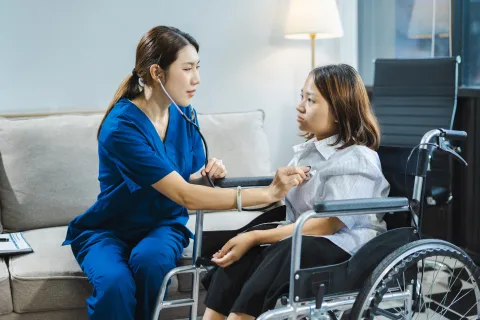
Health Care Facilities play a vital role in keeping New Mexicans healthy and safe. Hospitals, clinics, laboratories, diagnostic centers, nursing homes, assisted living facilities, behavioral health centers, and community‑based programs ensure people can access essential care wherever they live. Together, these facilities provide everything from routine testing and checkups to emergency treatment and long‑term support for older adults and individuals with disabilities.
Licensing, Certification, Oversight & Quality
HCA’s Division of Health Improvement ensures safe, high‑quality care across New Mexico by overseeing facility licensing and certification, enforcing CLIA lab standards, and monitoring consolidations under the Health Care Consolidation Oversight Act. Facilities can access survey results, understand corrective steps like Immediate Action Safety Plans, and use the Dispute Resolution Process to stay compliant and maintain transparency.
Health Facility Licensing & Certification
Through licensing, inspections, surveys, and ongoing oversight, HCA helps ensure facilities meet state and federal requirements and provide safe, quality care.
Clinical Laboratory Improvement Act (CLIA)
The Clinical Laboratory Improvement Act (CLIA) program ensures that all New Mexico labs—including doctor’s office labs—follow health and safety rules for testing.
Health Facility Surveys & Dispute Resolution Process
All licensed entities in New Mexico must maintain state and federal standards for care. HCA ensures compliance through surveys of facilities. Health care facilities that disagree with survey findings - especially those resulting in intermediate sanctions - may request a formal review.
HCBS Surveys & IASPs
HCBS Surveys help ensure that Home and Community‑Based Services providers deliver safe, high‑quality supports by reviewing compliance through routine inspections and published survey results. When concerns or incidents arise, Immediate Action Safety Plans (IASPs) provide quick, protective steps to keep individuals safe while a full investigation or corrective process is underway.
Health Care Consolidation Oversight Act
The Health Care Consolidation Oversight Act strengthens New Mexico’s ability to review hospital mergers, acquisitions, affiliations, and other changes in control. This oversight helps protect community hospitals—particularly in rural areas—and ensures that changes in ownership or control do not reduce services New Mexicans rely on.
Workplace Safety & Reporting Requirements
New Mexico protects the safety and wellbeing of people receiving care by maintaining strong workforce screening, caregiver training, and facility reporting requirements. Through tools like the Employee Abuse Registry, the Caregivers Criminal History Screening Program, and the CNA Registry and Training system, the Health Care Authority ensures caregivers meet strict professional and safety standards. Facilities also play a critical role by self‑reporting violations, helping DHI respond quickly, investigate concerns, and support providers in correcting issues to maintain safe, high‑quality care.
Employee Abuse Registry (EAR)
The Employee Abuse Registry protects people receiving care by stopping providers from hiring anyone with a confirmed abuse, neglect, or exploitation finding.
Caregivers Criminal History Screening Program
The Caregivers Criminal History Screening Program checks the backgrounds of people who work or volunteer in licensed health care and community-based settings to ensure they are safe to provide care.
Certified Nurse Aide Registry & Training
The Certified Nurse Aide (CNA) Registry provides CNA training, certification, and maintains the CNA registry.
Report Health Facility Violations
People can report concerns about improper care in a New Mexico health care facility to the HCA, and licensed facilities and their staff are required to report all violations as they occur.